Understanding What Gambling Sites Are Not
In today’s digital age, the online gambling industry has exploded in popularity. However, not all gambling sites are created equal. When engaging in online betting, it’s crucial to distinguish what gambling sites are not to protect yourself and ensure a safe and enjoyable gaming experience. This article aims to clarify the misconceptions surrounding gambling websites, highlighting which attributes and qualities they should NOT possess to be deemed trustworthy. Also, we’ll take a closer look at what gambling sites are not on GamStop sites not registered with GamStop and why they might not fit the bill.

1. Unregulated and Unlicensed Sites
One of the primary indicators of a questionable gambling site is the lack of regulation and licensing. Reputable online casinos are typically licensed by recognized authorities like the UK Gambling Commission or the Malta Gaming Authority. These licenses ensure that the site adheres to strict standards of fairness, security, and player protection. If a site is unregulated, players are left vulnerable to potential fraud and unfair gaming practices. Always check for visible licenses at the bottom of a gambling site before placing any bets.
2. Poor Customer Support
A reliable gambling site understands the importance of providing excellent customer support. However, sites that lack proficient customer service channels—such as live chat, email support, and a comprehensive FAQ section—are often not worth your time. Players should be able to access immediate help whenever problems or queries arise. Therefore, if a site has limited or no customer support, it’s a strong indication that it cannot be trusted.
3. Non-Transparent Terms and Conditions
Every reputable gambling site will have clear and concise terms and conditions. These should outline the site’s policies on bonuses, withdrawals, and player rights. If a site does not provide this information upfront, or if the terms are excessively complicated or hidden, it is a warning sign. Transparency is key to your peace of mind when gambling online; never shy away from reading the fine print.
4. Absence of Responsible Gambling Features
Responsible gambling is an essential facet of the online gaming experience. Sites that do not promote responsible gambling measures—such as deposit limits, self-exclusion options, and links to gambling addiction resources—are often deemed irresponsible. The absence of such features not only indicates a lack of concern for player welfare but also suggests a potential for exploitative practices.
5. Overly Generous Bonuses
While attractive bonuses can draw players to a gambling site, it’s essential to be cautious of offers that appear too good to be true. Unreasonably high bonus amounts with restrictive withdrawal conditions are often a tactic used by disreputable sites to trap players into unfair situations. Always scrutinize the terms surrounding any promotional offers to ensure that they are realistic and attainable.
6. Limited Game Variety
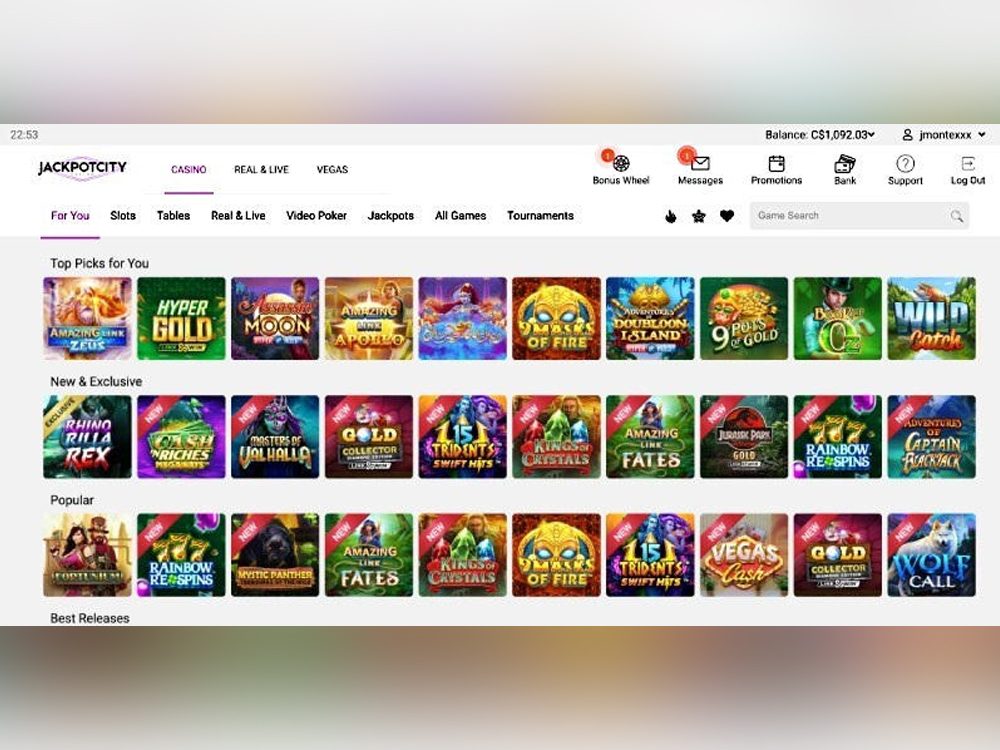
Reliable online casinos offer a diverse range of games, from slots and table games to live dealer options. A site that lacks variety may signal a lack of quality content or insufficient investment in gaming options. Furthermore, diverse offerings indicate that the site works with multiple game developers, which often correlates with a higher level of service and innovation. A lack of game variety can lead to boredom and dissatisfaction among players.

7. Security Risks and Poor Data Protection
In this digital era, players’ personal and financial information must be protected at all costs. Reputable gambling sites use advanced encryption technologies to safeguard players’ data. If a site does not demonstrate a commitment to security—such as offering SSL encryption or two-factor authentication—it poses a risk to players. Always ensure the site has robust security protocols in place before sharing any sensitive information.
8. Negative Player Reviews
Player feedback and reviews are invaluable resources when evaluating the credibility of a gambling site. If a site has a plethora of negative reviews regarding payouts, customer service issues, or overall player experience, it’s wise to tread carefully. Researching online forums and review platforms can reveal important insights about the site’s reputation among players.
9. Inadequate Payment Options
Trustworthy gambling sites offer a wide array of secure payment methods to cater to players’ preferences. If a site limits its payment options to just one or two methods, it could indicate a lack of professionalism or transparency. Players should have the flexibility to choose how they deposit and withdraw funds conveniently and securely.
10. Lack of Community Engagement
Engagement with the player community can be a positive sign of a reputable gambling site. Sites that are involved in their player community, whether through forums, social media, or tournaments, often demonstrate a commitment to quality and player satisfaction. Conversely, sites that ignore community interaction may be more concerned about financial gain than providing a fulfilling gaming experience.
Conclusion
Understanding what gambling sites are not is just as important as knowing what they are. By identifying the red flags mentioned above, you can better protect yourself, your information, and your gambling experience. Always choose licensed and regulated sites, ensure they provide ample support, and remain vigilant for signs of unfair practices. The online gambling world can be exhilarating, but it’s essential to navigate it wisely.