Understanding the Basics of Bluffing
Bluffing is an essential strategy in poker that allows players to maximize their winnings by convincing opponents they possess a stronger hand than they actually do. This technique can be game-changing, as it creates uncertainty in the minds of other players, prompting them to fold potentially winning hands. Many players enjoy trying their luck with online pokies nz while mastering this art, which requires a delicate balance of risk and reward that can enhance their overall gaming experience.
To effectively implement bluffing, players must develop a solid grasp of the game’s fundamental strategies, such as hand rankings and betting patterns. For instance, knowing when to bluff—such as when the board has the potential to create strong hands for your opponents—can significantly enhance your chances of success. Additionally, a well-timed bluff can also serve as a critical tool for maintaining the overall integrity of your game, as it prevents other players from becoming too comfortable in their positions.
Moreover, practice is vital for honing your bluffing skills. Engaging in friendly games or utilizing online poker platforms can help players experiment with different bluffing techniques without the pressure of high stakes. Observing how opponents react to various situations provides valuable insights that can be applied in future games. Overall, understanding the foundational elements of bluffing is the first step toward mastering this intriguing aspect of poker.
Recognizing the Right Moments to Bluff
One of the keys to successful bluffing lies in recognizing the right moments to execute this tactic. Situational awareness is crucial; players must be able to evaluate their hand strength, the board texture, and their opponents’ tendencies to determine if a bluff is appropriate. For example, if the community cards suggest a potential straight or flush, players who catch onto these signals may be more inclined to call your bets, diminishing the effectiveness of your bluff.
Experienced players often employ a strategy referred to as the “semi-bluff.” This involves betting aggressively even when you have a weak hand, but with the possibility of drawing to a better one on future streets. This tactic not only gives the impression of strength but also provides the opportunity to improve your hand, allowing you to either win by forcing opponents to fold or by hitting the cards you need to strengthen your position.
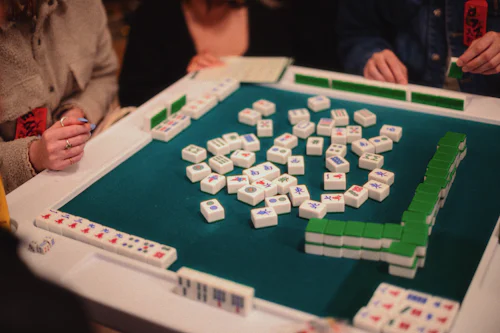
Another aspect to consider is the playing style of your opponents. Tight players, who tend to play fewer hands, may be more susceptible to bluffs, while loose players, who are more inclined to chase draws, might call your bets more often. Therefore, understanding your opponents’ personalities and adjusting your bluffing strategy accordingly can significantly improve your success rate in crucial moments.
Developing a Strong Table Image
Your table image plays a vital role in how effective your bluffs will be. A player who has built a reputation for playing tight and conservative will likely have more success when attempting to bluff, as opponents will be more inclined to believe in their strength. Conversely, a player perceived as loose or reckless may struggle to convince others of their strong hand due to a lack of credibility. Thus, deliberately crafting a strong and consistent table image is a crucial part of mastering bluffing in poker.
Establishing this image requires an understanding of your own playing style and the corresponding adjustments you can make. For instance, if you often play aggressively, it might be beneficial to mix in some conservative plays to create an air of unpredictability. Being aware of how your behavior is perceived by opponents allows you to control the narrative, making your bluffs more believable when the time comes to employ them.
Ultimately, maintaining a consistent table image not only facilitates successful bluffing but also enhances your overall gameplay. Players who are able to strike a balance between aggression and restraint will find themselves more effective at tricking their opponents and ultimately securing the pots they deserve. This awareness of the social dynamics at play in poker can be just as important as the cards being dealt.
Reading Opponents for Effective Bluffing
Reading your opponents is a vital skill in poker that can significantly impact your bluffing strategies. Each player has unique tells—subtle nuances in behavior that can provide insight into their hand strength. For instance, an opponent who suddenly becomes tense when a certain card appears might be holding a strong hand, making your bluff less likely to succeed. Conversely, if an opponent appears relaxed and confident, they might be bluffing themselves or holding a weak hand, presenting an opportunity for your own bluff.

To enhance your ability to read opponents, actively observe their betting patterns and body language throughout the game. Are they prone to overbetting when they have a strong hand? Do they tend to fold easily when faced with aggression? Taking note of these behaviors can help you make informed decisions during critical moments. Additionally, being aware of the table dynamics can help you gauge which players are more likely to fold or call when you initiate a bluff.
It is also essential to account for the overall mood of the table. Players who are feeling defeated or frustrated may be more inclined to make hasty decisions, while those who are confident in their hands could be more resistant to bluffs. By carefully assessing the emotional landscape of the game, you can strategically plan your bluffing tactics, capitalizing on vulnerabilities and minimizing risks.
Exploring Resources for Poker Mastery
Mastering the art of bluffing in poker is a journey that requires dedication and continuous learning. Online resources, such as forums, tutorials, and instructional videos, can provide invaluable insights into effective bluffing techniques and strategies. Engaging with a community of poker enthusiasts allows players to share experiences, successes, and failures, ultimately enhancing their understanding of the game.
Books authored by seasoned poker players also serve as excellent resources for both novices and experienced players. These texts often delve into the psychological and strategic elements of poker, offering expert advice on bluffing and reading opponents. Some books even contain real-life examples and analysis to illustrate key concepts, making them applicable in practical scenarios.
Additionally, utilizing poker tracking software can provide a competitive edge by analyzing your gameplay and that of your opponents. By examining your betting patterns, win rates, and bluff success percentages, you can identify areas for improvement and refine your bluffing strategy. The combination of theory, practice, and analysis will empower players to become formidable opponents at the table.